Nepal Road Trip Experience in an EV- Complete Guide
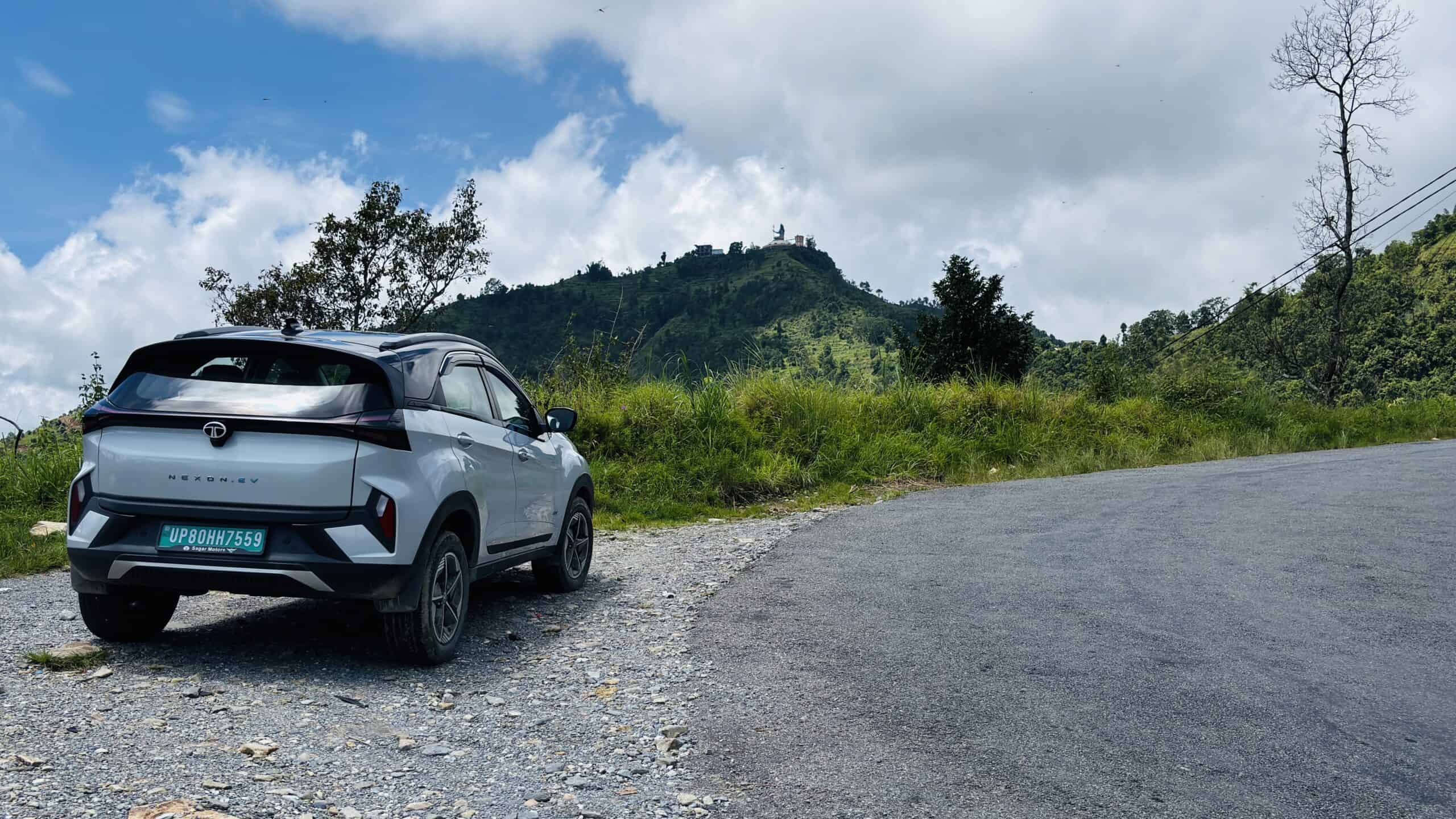
Traveling to Nepal with your own car sounds exciting, but when I planned my journey from Agra to Nepal in my Tata Nexon EV, I wasn’t sure how smooth it would be. From border entry formalities to EV charging, road conditions, and expenses, this trip taught me everything a traveler needs to know before starting their own adventure.
In this blog, I’m sharing my complete Nepal trip experience — routes, required documents, permits, expenses, and some useful tips for fellow travelers.
Route Taken – Agra to Nepal
I started my journey from Agra, passing through Lucknow and Gorakhpur, and stayed overnight at Gorakhpur. From there, I crossed the Sonauli Border to enter Nepal.
- Agra → Lucknow → Gorakhpur (Stay)
- Gorakhpur → Sonauli Border → Nepal
From Sonauli, the two main routes are:
- Pokhara – 180 km (better option for Day 1)
- Kathmandu – 260 km (roads are very rough, not recommended for first-day drive)
👉 My suggestion: Go to Pokhara first, then head towards Kathmandu, as the road quality is much better.
Documents Required for Nepal Entry
To enter Nepal by your own car, you need to carry the following:
- Aadhar Card (for identity proof)
- Vehicle RC (Registration Certificate)
- Driving License
- Insurance Papers
Bhansar Permit (Vehicle Entry Permit)
At the border, you need to make a Bhansar, which is basically a road permit for your car in Nepal.
- Documents required: Aadhar card + Car RC
- Payment only in Nepali Rupees (NPR) → INR is not accepted here
- Bhansar Fee: 600 NPR/day
- Road Tax (RTO): 300 NPR/day
- Total = 900 NPR/day (₹560 approx)
👉 Remember to count the number of days you’ll stay in Nepal and make Bhansar accordingly.
Currency Exchange in Nepal
You can easily exchange money at the border itself. Carry some cash because the Bhansar office won’t accept INR.
Exchange rate: 1 INR ≈ 1.6 NPR
Example: 600 NPR ÷ 1.6 = ~₹375
💡 Tip: Use PhonePe UPI in Nepal — it works and gives you better currency conversion rates.
Mobile SIM in Nepal
If you don’t activate international roaming, your Indian SIM will stop working. Even if it works, the charges are ₹10/min for incoming and outgoing calls.
The best option is to buy a local Nepali SIM:
- Cost: 400 NPR (SIM) + 200 NPR (unlimited internet)
- Total = 600 NPR (~₹375)
This is a must for navigation and smooth connectivity.
EV Charging in Nepal
If you are an EV owner, here’s some good news – charging stations are everywhere in Nepal.
- Chargers are available within 28 km radius almost anywhere.
- I used PlugShare and Charging Station Nepal App, but honestly, you won’t need them much.
- My Tata Nexon EV completed the trip without any charging issues.
My Trip Expenses Breakdown
Here’s the complete cost of my 2340 km round trip from Agra to Nepal and back:
- Hotel (7 Nights, including 2 nights at Gorakhpur): ₹14,200
- Charging Cost: ₹4,580
- Bhansar Permit: ₹3,200
- Toll Charges: ₹1,490 (saved a lot with my annual pass)
- Food & Miscellaneous: ~₹10,000 (approx)
👉 Total Trip Expense: ₹33,490
Final Thoughts & Travel Tips
- Start your trip from Pokhara instead of Kathmandu – roads are much better.
- Keep Nepali currency handy for border permits and small expenses.
- Buy a local SIM for hassle-free connectivity.
- If traveling by EV, don’t worry – charging infrastructure in Nepal is excellent.
- Use Fone pe UPI (Nepal Upi) for payments to get better exchange rates.
This Nepal road trip was one of the most memorable journeys I’ve had. It showed me not only the beauty of Nepal but also the fact that EV road trips are absolutely possible and enjoyable across borders.
Have a question about going electric?
Ask real EV owners in the Harsh Explorer community — no sign-up needed.
Join the community →